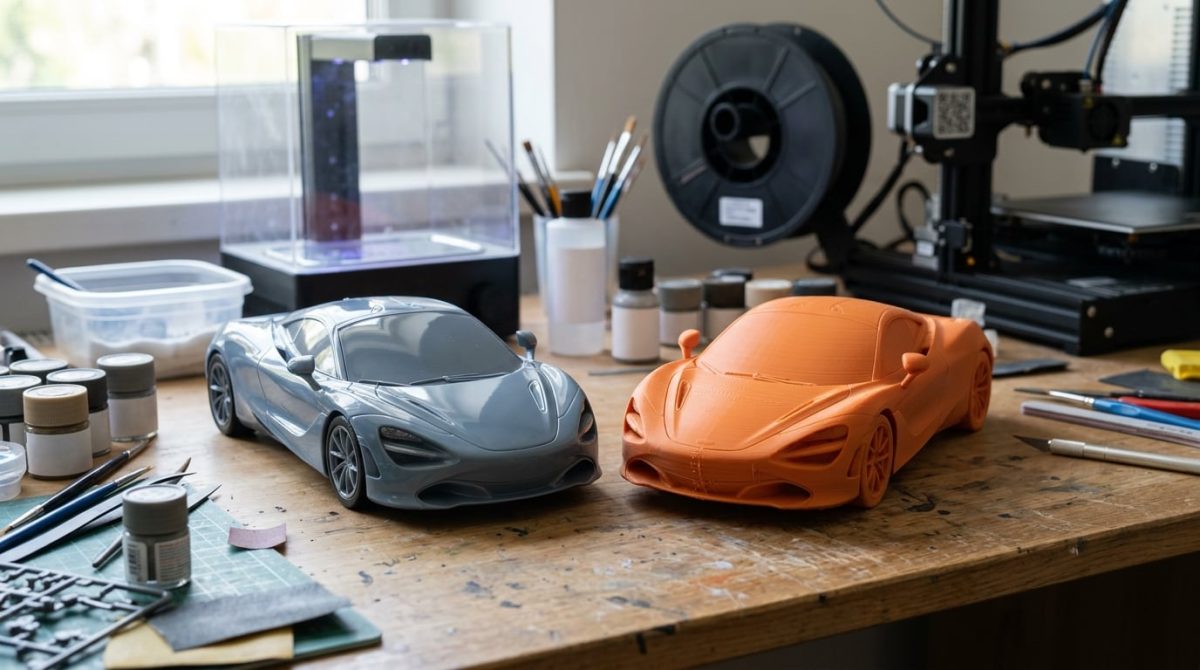



The Prusa CORE One L and the Bambu Lab H2D are two very different answers to the same hobbyist question. Here is how they compare for scale model printing in 2026.
The Prusa CORE One L is one of the most talked-about printers of 2026, and the Bambu Lab H2D is the machine it is most often compared against. If you print scale models, that comparison matters more than it might seem. Both printers are large, enclosed and built for serious work, yet they chase different goals: one favours openness and repairability, the other favours speed, automation and a second nozzle.
This guide compares them through the eyes of a model builder, not a gadget reviewer. We look at build volume, enclosure, nozzle systems, materials, software and long-term ownership, then translate those differences into the question that really counts: which one prints your STL files better, with less frustration? If you are still deciding between brands in general, our broader Best 3D Printers in 2026: Bambu Lab vs Prusa vs Creality vs Elegoo roundup is a good companion read.
Two big printers, two philosophies
Same hobby, very different machines: here are the numbers that frame the decision.
Why compare the Prusa CORE One L and the Bambu Lab H2D?
At first glance the two printers do not look like natural rivals. One is a single-nozzle CoreXY machine from a Czech company known for open hardware. The other is a dual-nozzle flagship from a Shenzhen manufacturer known for polished, appliance-like printers. Yet buyers keep cross-shopping them because both target the same person: a hobbyist who has outgrown a small bed and wants an enclosed machine that can handle engineering filaments.
For scale model work the stakes are specific. Car bodies, aircraft fuselages and ship hulls are long, smooth, curved objects. They punish layer lines, warping and failed prints, and they reward big, stable, heated chambers. That is exactly where these two printers diverge in interesting ways.
We also need to be honest about what we know. Specifications for new printers get revised, firmware changes behaviour, and prices move. Treat the figures below as the manufacturers’ published positioning and always confirm current details on their official pages before you buy.
Prusa CORE One L
A larger sibling of the CORE One, built around a rigid enclosed CoreXY frame with an actively heated chamber and a single toolhead.
Bambu Lab H2D
A large enclosed machine built around two nozzles, designed to make multi-material and multi-colour printing fast and low-waste.
Specs at a glance: where the two printers differ
Before the deep dives, here is a high-level view. Rather than quoting every figure to the millimetre, which can change between revisions, the table focuses on the characteristics that actually shape your printing day.
| Feature | Prusa CORE One L | Bambu Lab H2D |
|---|---|---|
| Printer class | Large enclosed CoreXY | Large enclosed CoreXY |
| Toolhead | Single nozzle | Dual nozzle |
| Enclosure | Yes, heated chamber | Yes, heated chamber |
| Multi-material | Via add-on options | Strong, nozzle-based |
| Philosophy | Open, repairable | Polished, automated |
| Slicer | PrusaSlicer | Bambu Studio |
| Best for | Big single-material parts | Multi-colour, multi-material, speed |
The most important row is the toolhead. A second nozzle changes how you approach multi-colour parts, support materials and filament waste. A single nozzle keeps the machine simpler, and for many scale model workflows, simpler is genuinely better.
Build volume and the large format FDM question
Both machines sit in the large format FDM category for hobby use, and that matters because scale modelling is a hobby of long objects. A 1:24 supercar body fits on almost any modern printer. A 1:12 car, a long ship hull or a helicopter fuselage does not, and the usual workaround is cutting the model into parts and gluing them together.
A larger bed reduces how often you have to split a file. That means fewer seams to sand, fewer alignment pins to design and a cleaner final surface. If you regularly print big single pieces, bed size should rank near the top of your decision list. If you mostly print smaller scales, you may never use the extra space and will be paying for volume you do not need.
What large format means in practice
A large bed is not only about maximum size. It also means longer travel, more heat to maintain across the plate, and more demand on frame rigidity. Large flat bases can warp at the corners if the chamber is not warm and stable. This is where an enclosed, heated chamber earns its place, and where the quality of the enclosure matters as much as the headline dimensions.
For related background on choosing the right size for your project, our guide to model scales explained walks through how scale choice changes the size of the finished piece, and therefore the size of printer you need.
Prusa CORE One L: the open, repairable workhorse
The Prusa CORE One L is built for people who want to understand their machine. Prusa has long published its designs openly, sells spare parts directly and documents repairs thoroughly. For a hobbyist who expects to keep a printer for many years, that is a real advantage: when a part wears out, you replace it instead of replacing the printer.
The single toolhead is a deliberate choice. It keeps the mechanical system simple, reduces the number of things that can drift out of calibration and makes troubleshooting straightforward. For scale models, which are overwhelmingly printed in one material and one colour before painting, a single nozzle is rarely a limitation.
Where it shines for model builders
The enclosed, heated chamber makes the CORE One L a strong candidate for materials that dislike drafts, such as ABS and ASA. These are popular with modellers because they sand well, accept primer readily and can be smoothed with vapour or careful finishing. A stable chamber also improves layer adhesion on tall, thin parts like spoilers, antennas and landing gear.
PrusaSlicer is another quiet strength. It offers fine control over supports, seams, variable layer heights and modifiers, which suits people who like to tune a print rather than press one button. If you enjoy getting a smooth hood or a crisp panel line by adjusting settings, you will feel at home.
Limitations to keep in mind
The trade-off is that multi-colour printing is not its natural territory. You can reach multi-material results with add-on options, but it will not match a printer designed around two nozzles from the start. If your goal is colourful, ready-to-display models straight off the plate, this printer asks for more effort.
Bambu Lab H2D: the dual-nozzle speed machine
The Bambu Lab H2D is the more ambitious machine on paper. Its headline feature is the dual nozzle design, which allows two materials or colours to be ready at once without constantly purging and swapping filament through a single hot end. That cuts waste and time on multi-colour prints, and it opens up pairing a model material with a dedicated support material.
Bambu has built its reputation on the idea that a printer should feel like an appliance. Setup is quick, calibration is largely automatic, and the slicer and printer are designed as one system. For hobbyists who want to print more and tinker less, that experience is the main selling point.
Why dual nozzle printing matters
Dual nozzle printing is more than a colour trick. A dedicated support material can peel or dissolve away cleanly, which is valuable on models with overhangs, grilles and fine undercuts. Two nozzles can also hold different nozzle sizes or materials, so a rigid filament and a flexible one can share a part. For tyres, gaskets and soft-touch details, that is genuinely useful.
Where it asks for compromise
The more integrated the system, the less you control. Bambu’s ecosystem is polished but more closed than Prusa’s, and repairs or modifications depend more on the manufacturer’s parts and policies. A dual-nozzle mechanism is also more complex than a single toolhead, which raises the number of things that can need attention over years of heavy use. None of this is disqualifying, but it is worth weighing if long-term repairability matters to you.
Match the toolhead to your painting habits
Most scale modellers print in one material and then prime and paint, which makes a single nozzle perfectly adequate. A dual nozzle printer pays off when you want multi-colour parts, dedicated supports or mixed rigid and flexible materials straight off the plate. Be honest about which describes your workflow before paying for the extra complexity.
Enclosed 3D printer benefits for scale models
Both machines are an enclosed 3D printer, and that single word explains much of their appeal to modellers. An enclosure holds heat steadily around the part, which reduces warping and layer splitting in materials like ABS and ASA. It also reduces drafts, dampens noise and keeps dust off the build.
For a long, flat object such as a car roof or a boat hull, thermal stability is not a luxury. The corners of a large print cool faster than the centre, and that difference pulls the part off the plate. A warm, enclosed chamber evens out the temperature and keeps the part flat from the first layer to the last.
Safety and fumes
Enclosures also contain fumes and particles, which is useful when printing materials that smell or off-gas. They are not a substitute for ventilation. Place the printer somewhere with airflow, follow the filament maker’s guidance, and treat printing in a bedroom as something to avoid. Good habits matter more than any hardware feature.
Dual nozzle printing versus a single toolhead
The core technical difference between these printers is simple to state and harder to weigh. One carries a single nozzle; the other carries two. How much that matters depends on what you print.
Dual nozzle printing shines in four situations: multi-colour parts, dedicated support materials, mixed rigid and flexible components, and reducing waste on colour changes. If you print figurines, badges, logos or colourful display pieces, these advantages are immediate and visible.
For classic scale vehicle models, the picture is different. A car body is usually one colour of plastic that you will sand, prime and paint anyway. Windows, lights and trim are typically painted or added separately. The second nozzle is helpful but not essential, and the simplicity of a single toolhead can be a benefit rather than a limitation.
A practical example
Imagine printing a supercar with separate body, wheels and interior parts. On either machine you would print these as individual pieces in one material, then assemble and paint them. The dual nozzle machine saves little here. Now imagine a model with a printed soft rubber tyre and a rigid rim in one job: the two-nozzle machine suddenly earns its keep.
Materials, supports and surface quality
Whichever printer you choose, surface quality on curved bodywork depends on a handful of habits rather than a single machine. Use a smaller layer height on visible surfaces, orient the model so that the finest curves are not on the support side, and dry your filament before printing. Wet filament causes stringing and rough surfaces on any printer.
Both machines handle common filaments well, and both benefit from a warm chamber for engineering materials. PLA remains the easiest option for beginners and is perfectly good for display pieces. PETG offers a bit more toughness. ABS and ASA reward patience with excellent sanding and finishing properties.
For modellers who care about the debate between filament and resin, our article on resin vs FDM for scale model cars explains when each technology makes sense. In short, resin wins on fine detail for small pieces, while FDM wins on size, toughness and running costs, which is exactly where these two printers live.
Supports without regret
Supports are the quiet cost of printing curved vehicles. Wheel arches, spoilers and under-body details all create overhangs. A single-nozzle printer uses the same material for supports, which can leave marks where they touch the part. A dual-nozzle setup with a dedicated support filament can leave cleaner surfaces, which saves sanding time on visible areas.
Software and workflow: PrusaSlicer versus Bambu Studio
The slicer is where you will spend most of your time, so it deserves attention. PrusaSlicer is known for depth: detailed support painting, modifiers, variable layer height and a huge range of tunable settings. It rewards people who like to experiment and who want to understand why a print came out the way it did.
Bambu Studio leans toward speed and clarity. Profiles are tuned for the printer, previews are fast, and the interface guides you from file to print in very few steps. It is easy to get a good result quickly, and the integrated ecosystem handles much of the thinking for you.
Neither approach is superior. If you enjoy tuning, PrusaSlicer will feel generous. If you want to import an STL, click print and move on to painting, Bambu’s workflow will feel natural. Both slicers are free, so you can try them before committing to a printer.
Connectivity and ecosystem
Think also about how you manage prints day to day: remote monitoring, file transfer, camera access and firmware updates. Both manufacturers offer modern network features, but their philosophies differ on openness and cloud dependence. If you prefer to keep your printer working independently of any online service, review how each handles local operation before buying.
Repairability is a hidden cost
A printer is not a one-time purchase but a decade of ownership. Check how easy it is to buy spare nozzles, hot ends and belts, and how well each manufacturer documents repairs. A slightly slower machine that you can fix yourself often outlasts a faster one that depends on proprietary service.
Models to print on a large enclosed printer
A large, stable machine is at its best on substantial, curved bodies where warping and layer quality matter. These designs suit either printer, and they show how scale model subjects behave on big, enclosed hardware. Always check each file’s own details and print at a scale that fits your bed.
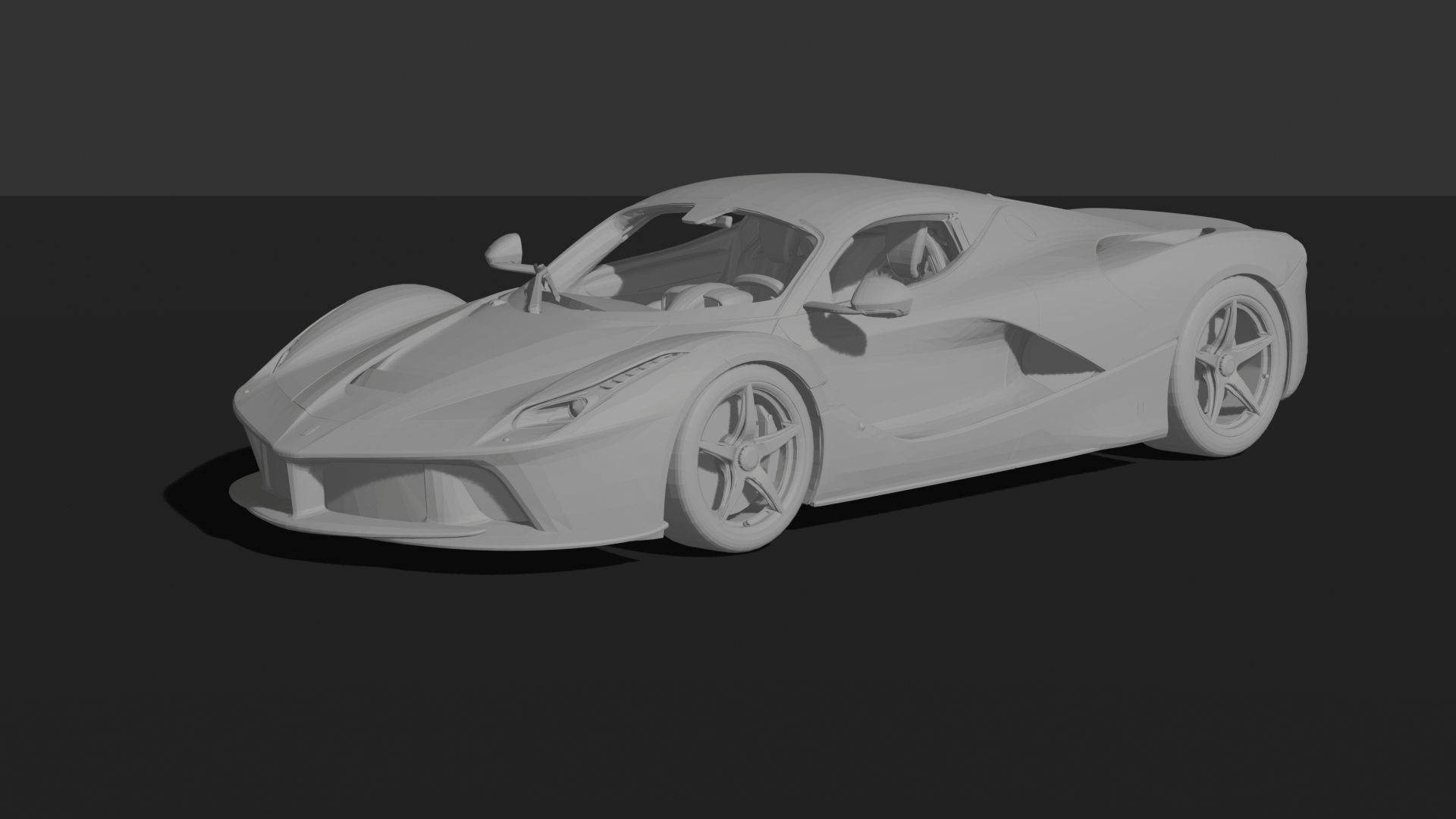
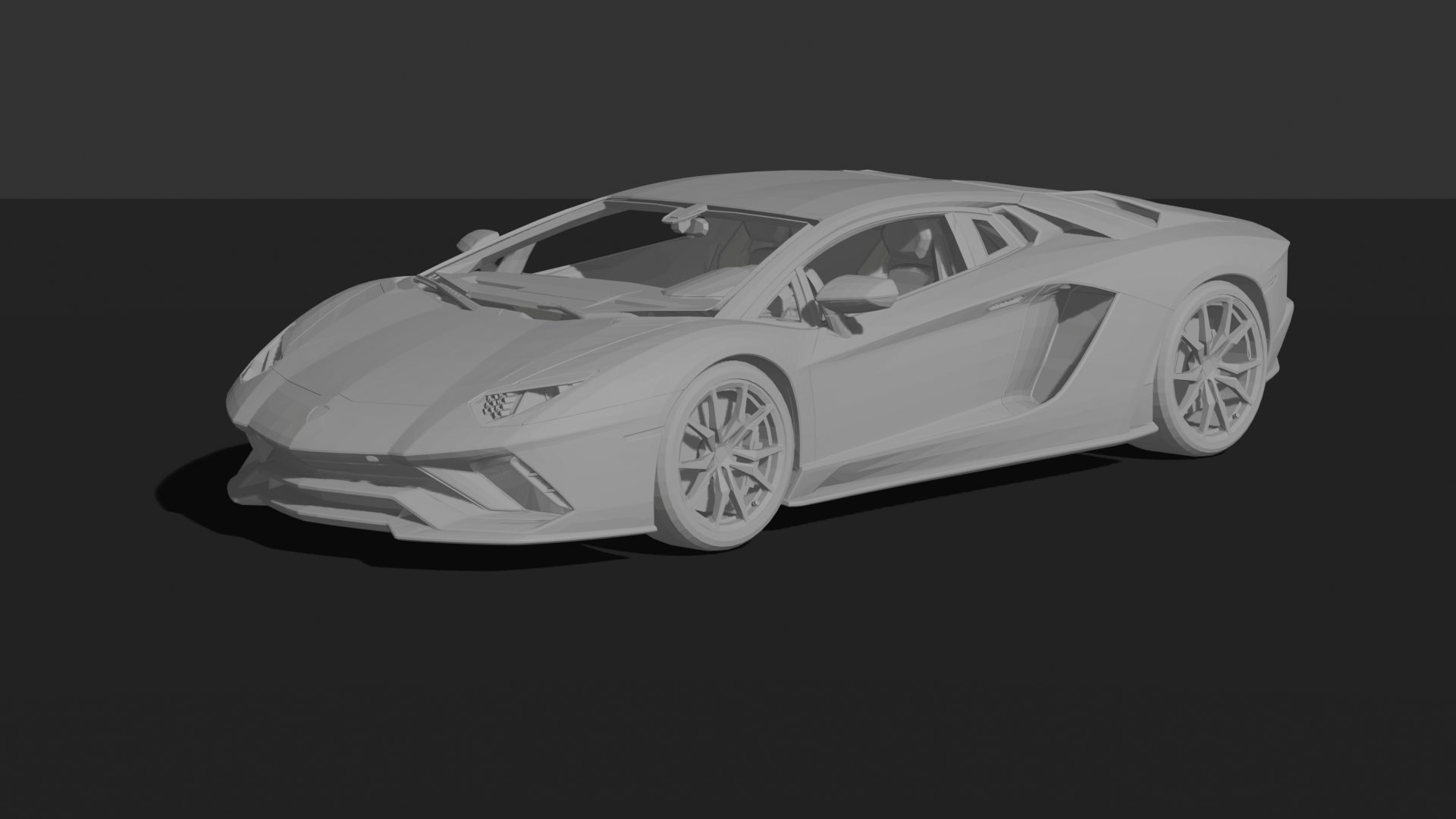
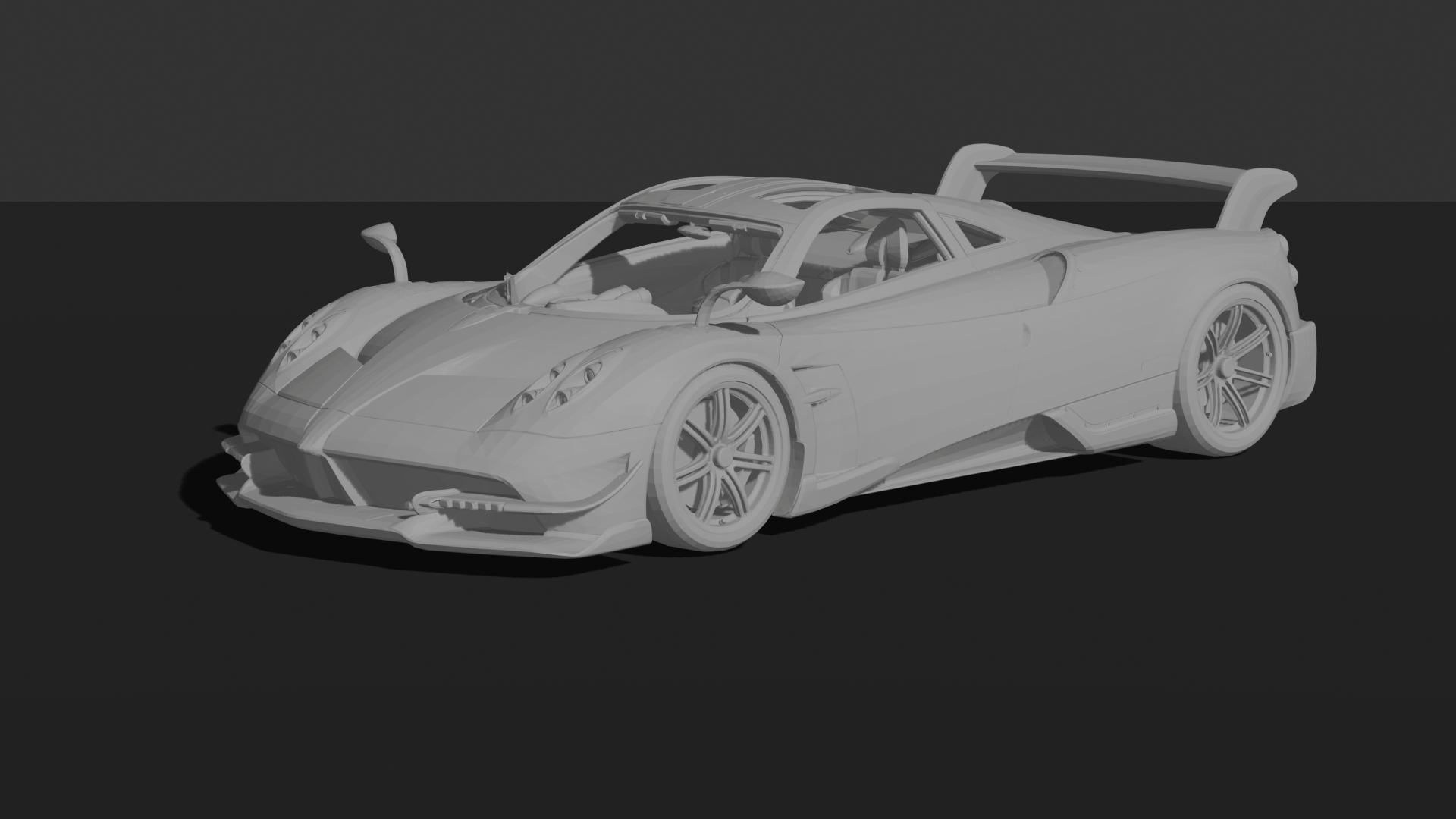
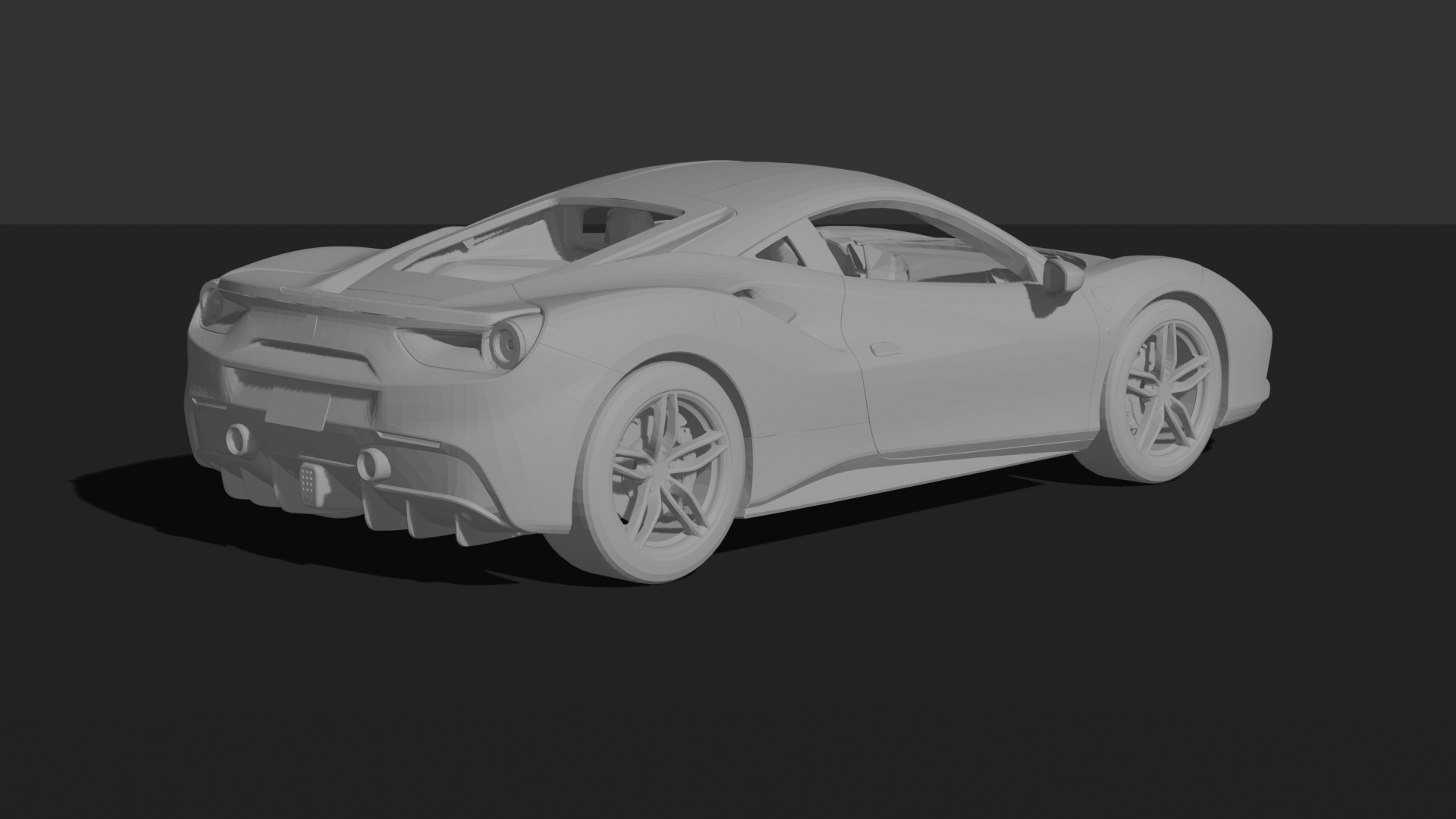
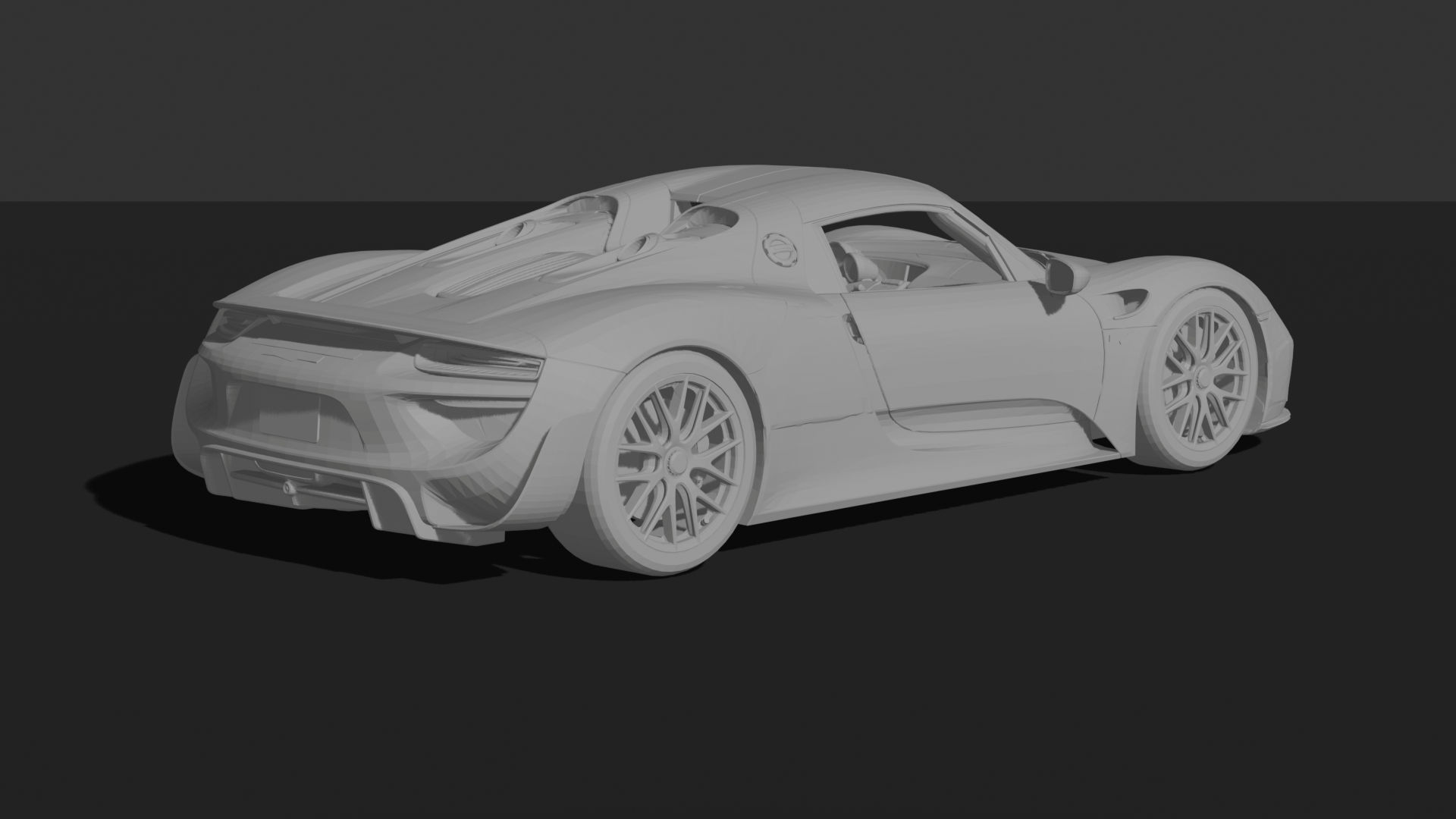
Sweeping supercar bodies such as these reward a heated chamber, careful orientation and patient finishing. If you like Italian exotics, Lamborghini Aventador S LP 740-4 2017 is a dramatic subject with large flat panels that expose any warping, which makes it a good test of your machine. For a more organic shape, Pagani Huayra BC 2016 challenges your supports and surface finish in equal measure. And if you enjoy collecting open-top exotics, Porsche 918 Spyder 2015 Weissach Package is a strong choice for practising paint and fine detailing after printing.
Cost, support and long-term ownership
Price is the part of any comparison that ages fastest, so check current prices rather than relying on any article, including this one. What you can plan for is the total cost of ownership: the printer itself, filament, spare parts, a ventilation solution and any accessories such as a multi-material system or enclosure upgrades.
The Prusa CORE One L tends to appeal to people who value support from a company with a long track record, accessible documentation and a repair-first culture. The Bambu Lab H2D tends to appeal to people who value capability per hour: fast prints, automation and multi-material flexibility out of the box.
Consider also the resale and community angle. Both brands have large, active communities that share profiles, mods and troubleshooting advice. Whichever you pick, you will rarely be short of help when a print goes wrong.
Which one should you choose?
There is no universal winner, only a better fit for your habits. The right printer is the one that removes the most friction from your particular routine.
You want an open, repairable machine, you mostly print in one material, and you enjoy tuning settings in PrusaSlicer to get the finish just right.
You want colourful or mixed-material prints, dedicated support filament and a fast, polished workflow that gets out of your way.
For big, sandable car and aircraft bodies printed in ABS, ASA or PETG, both enclosed machines deliver. Pick based on ecosystem and budget.
If you mostly print 1:43 or 1:24 pieces, a smaller printer or a resin machine may serve you better than either large flagship.
Frequently Asked Questions
Is the Prusa CORE One L better than the Bambu Lab H2D?
Neither is better in every way. The Prusa CORE One L favours openness, repairability and a single, simple toolhead, while the Bambu Lab H2D favours dual-nozzle capability and an automated workflow. The better choice depends on whether you value tinkering and repair or speed and multi-material flexibility.
Do I need dual nozzle printing for scale models?
Usually not. Most scale vehicle models are printed in one material and then sanded, primed and painted, so a single nozzle is enough. Dual nozzle printing becomes useful for multi-colour parts, dedicated supports or combining rigid and flexible materials, such as printed tyres.
Is an enclosed 3D printer necessary for car models?
It is not strictly necessary for PLA, but it makes a real difference for ABS and ASA, which warp easily without a stable chamber. For long, flat body panels on large prints, an enclosed 3D printer improves reliability and keeps parts flat.
Is large format FDM worth it for hobbyists?
Large format FDM is worth it if you regularly print big single pieces like long hulls, fuselages or large-scale car bodies, because it avoids cutting and gluing. If you mostly print small scales, a large bed adds cost you may never use.
Can I use the same STL files on both printers?
Yes. STL files are printer-agnostic, so any model you buy can be sliced in PrusaSlicer or Bambu Studio. You only need to adjust orientation, supports and scale to suit each machine’s bed and your chosen material.
Final Thoughts
The Prusa CORE One L and the Bambu Lab H2D are both excellent, and the real decision is about temperament. If you want a machine you can understand, repair and tune over many years, the Prusa CORE One L is a deeply satisfying companion. If you want maximum capability per hour, with dual nozzles and a smooth, automated experience, the Bambu Lab H2D is hard to ignore.
For classic scale model work, remember that the printer is only part of the story. Good orientation, dry filament, patient sanding and careful painting matter more than any spec sheet. Whichever machine you choose, a large enclosed printer opens up bigger, cleaner and more ambitious builds, and that is what makes the hobby grow.
Sources
Official pages consulted at the time of publication. Manufacturers may update specifications, firmware and bundles at any time.